Winter Preparedness Part 2
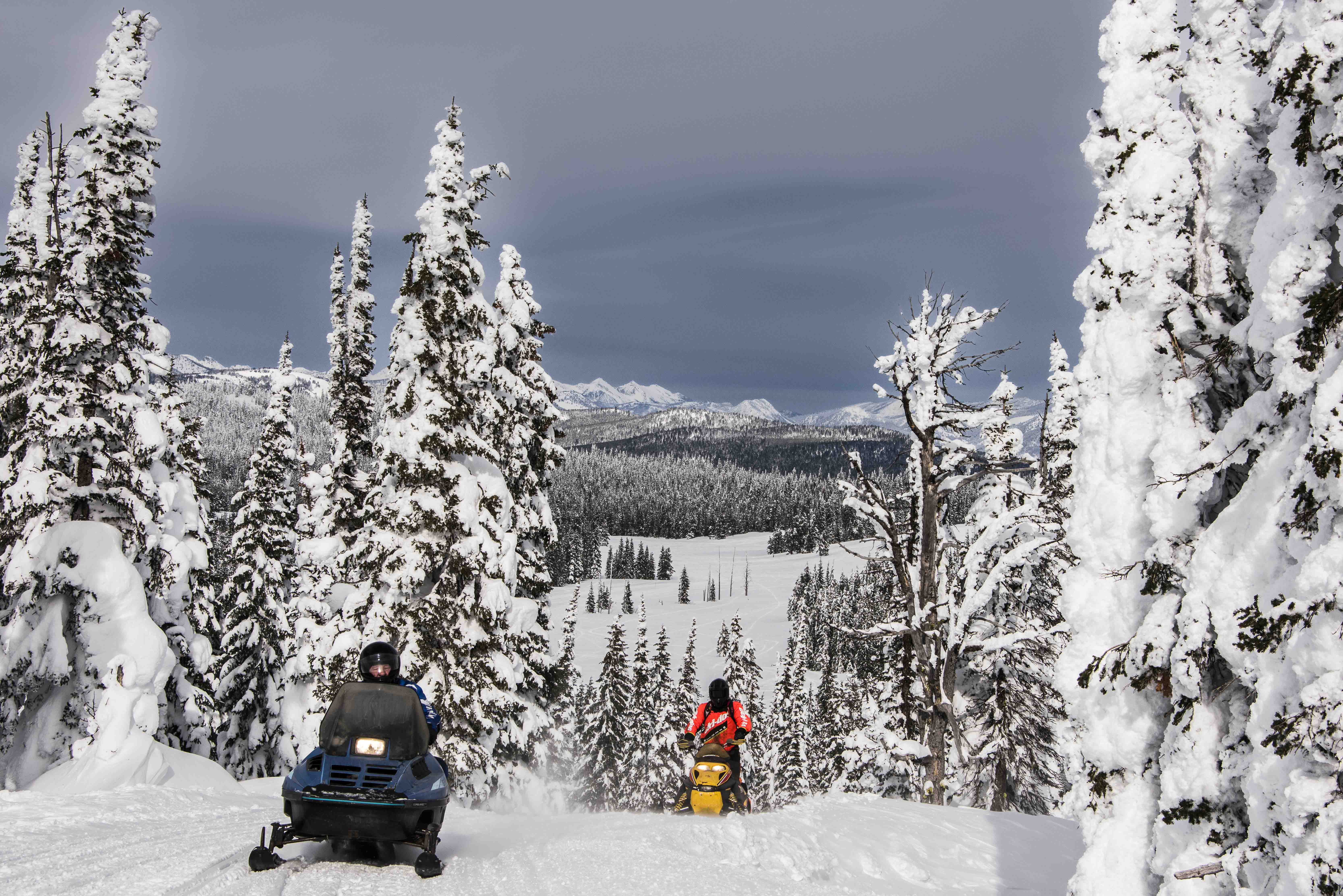
©Terry R. Thomas/www.nature-track.com
Getting to and from winter fun can be dangerous. Make sure you are prepared to spend a night or two in your vehicle.
Last week’s column was about getting your vehicle back on the road should you encounter a winter problem. This week is about keeping you and the people you are with secure until you can either get back to safety or wait for rescue.
So, for human survival and safety, what should you carry in your vehicle? Concentrate on warmth, light, visibility, food, and communication. Convenience and comfort are nice, but unnecessary to get you home. That is what we are talking about here—gear that will get you home.
One YouTube influencer filled the entire back of his SUV with gear. He could have survived the apocalypse with the stuff he carried. Following the “two is one and one is none” Navy SEAL philosophy, he had back ups for everything he carried, and he carried a lot. This was much more than needed unless he was hopelessly lost and help was days away.
This is more about having to spend a night or even two in your car before help arrives. What do you need in order to do that? The list of potential items seems nearly endless so I would suggest one thing—start with what you have. If you have an old sleeping bag, put it in the car. Matches in a medicine bottle? Put them in as well. If you have an extra flashlight, put some fresh batteries in and include it. Grab a spare sharp knife and you are much better prepared for an emergency.
Once you have some of the basics, you can start getting more mindful with the gear you include. Let’s take them in order, starting with warmth. On the top of every list I found was a knit cap and leather gloves (leather lets you handle hot things). Most people recommended a change or two of socks as well, which I agree with. Beyond that, a warm coat (I often head to town without a coat knowing that it will be warmer down in the valley and that I will be inside buildings. Big mistake) or insulated coveralls will help if you have to work out in the snow. A sleeping bag, down quilt, or wool or fleece blanket is also a list topper. Finally, at a bare minimum, carry a mylar “survival” blanket for each person. These do not insulate, but they do reflect back body heat and that is a big deal. I also carry a poncho of some type. Even the small emergency ponchos can keep you dry.
Light. A good headlamp and spare batteries is the top choice. I have talked with several people this week who said that they did not need to carry a flashlight because they have their phone. Bad idea. If you are stranded, save your phone battery for communication. A friend of mine suffered through a hurricane in Texas years ago, and used his phone to check utilities and such. When he decided to call his kids, he found out he did not have enough battery and couldn’t charge his phone for a week.
Visibility. You should already have flares or electronic flares in your vehicle kit, but if you step out of your vehicle, a bright reflective safety vest is a must. They are inexpensive and may keep you from getting hit by another motorist.
Food. In the winter, food can help to generate warmth. Select items that do not need to be cooked. We lean toward protein bars, jerky, and nuts.
Communication. Besides your cell phone, you should carry a small battery charger and the appropriate cables to keep your phone charged for several days. Also consider a portable satellite communicator. We run in a lot of country without cell service and something like Garmin’s In-Reach device can be a literal life saver. They do require a subscription though, but some can be turned off and on at will, such as before starting on a trip. A whistle to signal rescuers is also a prudent idea.
I add multiple ways to start a fire (matches, lighter, ferro rod, and tinder), a small stove of some sort, pen and notepad, toilet paper, water filter, boots, paracord, shelter tarp, and a real first aid kit. All of this can fit in a 5-gallon bucket, a small action packer, or a canvas tool duffle.
It is up to you if you want to have a kit in each vehicle or one that you can move from vehicle to vehicle. Personally, I know I will never remember to move it back and forth so I want both vehicles to be prepared.
Finally, knowledge is probably the most important survival tool. As the old preparedness adage says, —"the more you know and know how to do, the less you have to carry.” Learn how to survive and to best use the gear that you do carry.
Something I missed last week is to always run on the top half of your gas tank—you will appreciate it should you need to run your engine for heat.
Help Idaho Wildlife
When we traveled across the state in October 2017, we visited most of the Idaho Department of Fish and Game wildlife management areas. Most of the vehicles we saw using the wildlife management areas did not have wildlife plates. Buying wildlife plates is a great way for non-hunters and hunters alike to support wildlife-based recreation like birding.
C'mon folks, let's help Idaho's wildlife by proudly buying and displaying a wildlife license plate on each of our vehicles!
See below for information on Idaho plates. Most states have wildlife plates so if you live outside Idaho, check with your state's wildlife department or vehicle licensing division for availability of state wildlife plates where you live.
And tell them that you heard about it from Nature-track.com!
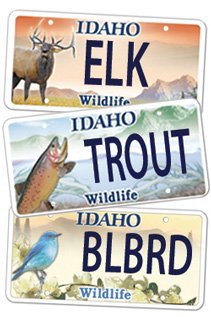
Wildlife License Plates
Great news! as of 2024, there are three NEW designs for license plates. They still are bluebird, cutthroat trout and elk, but they are beautiful.
Idaho Wildlife license plates provide essential funding that benefits the great diversity of native plants and wildlife that are not hunted, fished or trapped—over 10,000 species or 98% of Idaho’s species diversity. Game species that share the same habitats (such as elk, deer, antelope, sage-grouse, salmon, trout) also benefit from these specialty plates.
No state tax dollars are provided for wildlife diversity, conservation education and recreation programs. Neither are any revenues from the sale of hunting or fishing licenses spent on nongame species. Instead, these species depend on direct donations, federal grants, fundraising initiatives—and the Idaho Wildlife license plates.
Both my vehicles have Bluebird Plates. I prefer the bluebird because the nongame program gets 70 percent of the money from bluebird plates, but only 60 percent of the money from elk and trout plates - 10 percent of the money from elk plates supports wildlife disease monitoring and testing programs (to benefit the livestock industry) and 10 percent from cutthroat plates supports non-motorized boat access.
Incidentally, in 2014, the Idaho Legislature denied the Department of Fish and Game the ability to add new plates or even to change the name of the elk and cutthroat plates (very specific) to wildlife and fish plates, a move that would have allowed for changing images occasionally and generating more revenue. It would seem that they believe that we Idahoans don't want a well funded wildlife program.
I think it is time we let the Legislature know that Idahoan support wildlife funding and that we would like to see these generic plates come to fruition.
"WOW. What a phenomenal piece you wrote. You are amazing." Jennifer Jackson
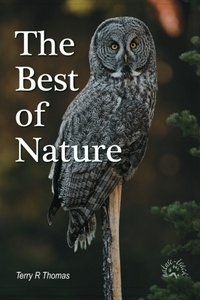
That is embarrassing, but actually a fairly typical response to my nature essays. Since The Best of Nature is created from the very best of 16 years of these nature essays published weekly in the Idaho Falls Post Register (online readership 70,000), it is a fine read. It covers a wide variety of topics including humorous glimpses of nature, philosophy, natural history, and conservation. Readers praise the style, breadth of subject matter and my ability to communicate complex and emotional topics in a relaxed and understandable manner.
Everyone can find something to love in this book. From teenagers to octogenarians, from the coffee shop to the school room, these nature essays are widely read and enjoyed.
Some of the essays here are my personal favorites, others seemed to strike a chord with readers. Most have an important message or lesson that will resonate with you. They are written with a goal to simultaneously entertain and educate about the wonderful workings of nature. Some will make you laugh out loud and others will bring a tear to the eye and warm your heart.
Readers Write:
"You hit a home run with your article on, Big Questions in Nature. It should be required reading for everyone who has lost touch with nature...great job!" Joe Chapman
"We enjoyed your column, Bloom Where Planted. Some of the best writing yet. The Post Register is fortunate to have your weekly columns." Lou Griffin.
To read more and to order a copy, click here or get the Kindle version
Copies are also available at:
Post Register
Island Park Builders Supply (upstairs)
Barnes and Noble in Idaho Falls
Harriman State Park, Island Park
Museum of Idaho
Valley Books, Jackson Wyoming
Avocet Corner Bookstore, Bear River National Wildlife Refuge, Brigham City, Utah
Craters of the Moon National Monument Bookstore, Arco, Idaho