Weather Advisories, Watches, and Warnings
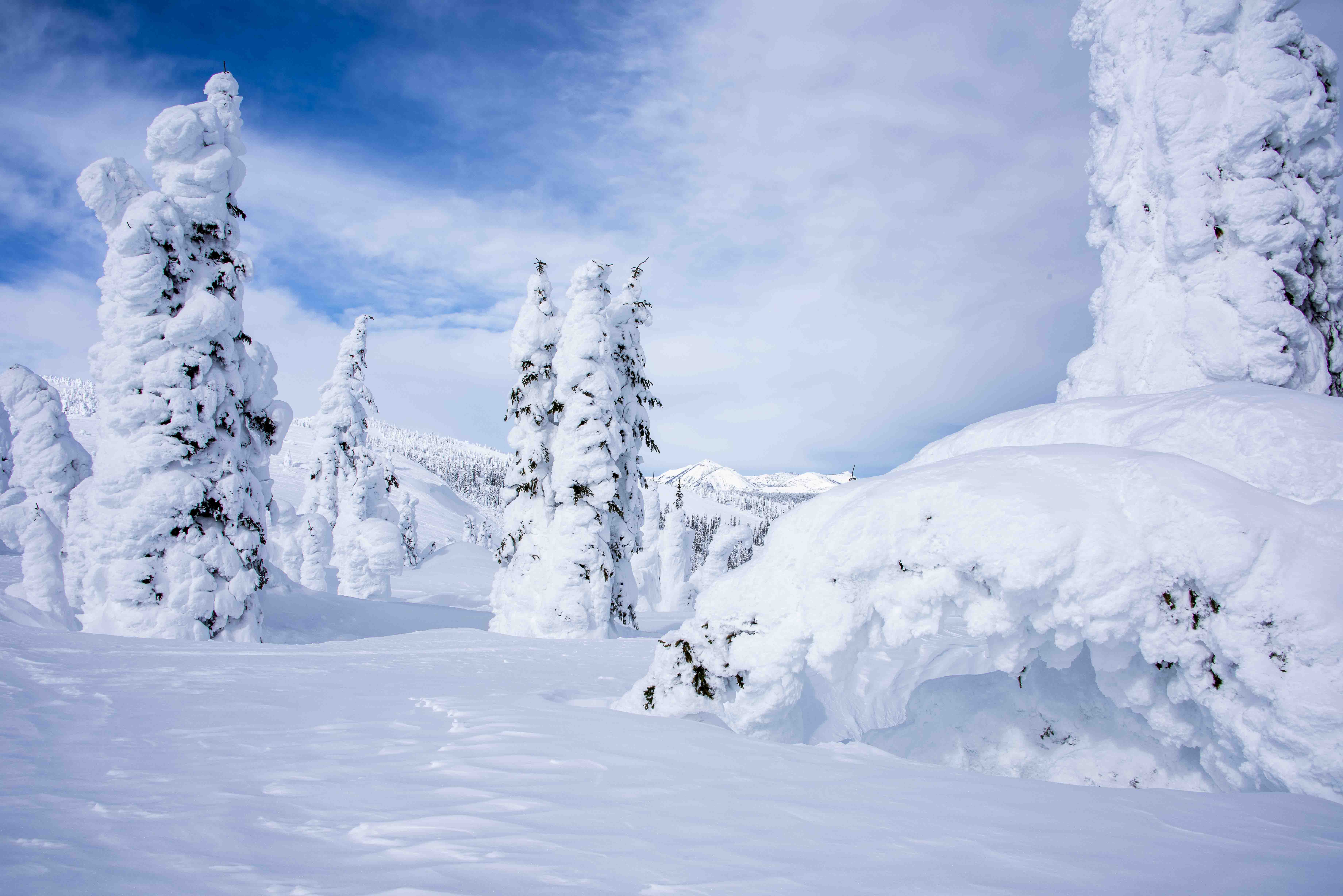
©Terry R. Thomas/www.nature-track.com
A beautiful winter scene like this can change quickly. Be safe by carefully following winter storm advisories, watches, and warnings.
What happens when a massive Arctic front and a moisture laden subtropical jet stream collide? Answer: An unprecedented blizzard that kills thousands. That is what occurred in northwestern, western, and southern Iran from February 3 to February 9, 1972. This storm, of a ferocity never before recorded on Earth, blanketed a segment of Iran about the size of the state of Wisconsin under a suffocating layer of the same white stuff we are currently hoping for more of. As an example, power poles were buried to the point where repairs did not require a ladder truck—repairmen could stand on top of the snow. Rural towns were completely entombed with at least three sustaining 100 percent fatalities and a total of 200 villages destroyed. Roads disappeared and avalanches buried passes stranding hundreds of vehicles, including 30 buses, in what became mobile coffins, and thwarted rescue for weeks. Even rescuers flying in on helicopters could not access the people beneath the snow. All told, over 4,000 people died from exposure, suffocation, and starvation.
What might have happened if these people had been warned of the danger? Would they have been able to survive? Could they have prepared? Against such a massive onslaught that no one could possibly envision, I suspect that many efforts at preparation, especially in the rural areas, would have been inadequate at best. Sheltering in place probably seemed like the prudent thing to do. No one would anticipate a complete snowy burial. But once a dwelling was engulfed, oxygen would become a critical issue. With limited oxygen, fires could not be lit and with electrical lines severed many had no source of heat, but if they could not get to surface air, death was inevitable anyway.
While there have been some impressive blizzards in North America (the record for the most snow from one storm in the continental U.S. is Mt Shasta, California, which received 189 inches or 15.75 feet, February 13-19, 1959) there are many much more average snowstorms that are still dangerous for the unprepared.
The best thing we can do to avoid difficulties and dangerous circumstances during the winter is to pay attention to the weather reports. However, it is easy to get confused with the different terminology. For instance, which is more critical, a winter storm advisory or a winter storm watch? What about a winter storm warning? What do they all mean?
The following definitions are from the National Weather Service (weather.gov):
“A Winter Storm Warning is issued when a significant combination of hazardous winter weather is occurring or imminent.
“A Winter Storm Watch is issued when there is the potential for significant and hazardous winter weather within 48 hours. It does not mean that significant and hazardous winter weather will occur...it only means it is possible.
“A Winter Weather Advisory will be issued for any amount of freezing rain, or when 2 to 4 inches of snow (alone or in combination with sleet and freezing rain), is expected to cause a significant inconvenience, but not serious enough to warrant a warning.”
These are listed here in order of severity of threat with a warning meaning that the danger is immediate. Note that these are not necessarily issued in this order, starting with an advisory and proceeding as the threat increases. The National Weather Service can start with a warning if conditions warrant it. There are also definitions of what the NWS means by significant. Check out their website if you are interested.
The bottom line is that, unlike the people in Iran in 1972, we will almost always have a good idea of what winter weather is headed our way if we pay attention. Then it behooves us to be smart, be prepared, and be cautious. My goal is to get through this life without dying from something stupid and listening carefully to weather advisories, watches, and warnings is a good start.
Help Idaho Wildlife
When we traveled across the state in October 2017, we visited most of the Idaho Department of Fish and Game wildlife management areas. Most of the vehicles we saw using the wildlife management areas did not have wildlife plates. Buying wildlife plates is a great way for non-hunters and hunters alike to support wildlife-based recreation like birding.
C'mon folks, let's help Idaho's wildlife by proudly buying and displaying a wildlife license plate on each of our vehicles!
See below for information on Idaho plates. Most states have wildlife plates so if you live outside Idaho, check with your state's wildlife department or vehicle licensing division for availability of state wildlife plates where you live.
And tell them that you heard about it from Nature-track.com!
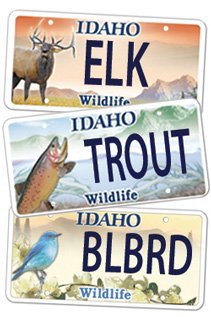
Wildlife License Plates
Great news! as of 2024, there are three NEW designs for license plates. They still are bluebird, cutthroat trout and elk, but they are beautiful.
Idaho Wildlife license plates provide essential funding that benefits the great diversity of native plants and wildlife that are not hunted, fished or trapped—over 10,000 species or 98% of Idaho’s species diversity. Game species that share the same habitats (such as elk, deer, antelope, sage-grouse, salmon, trout) also benefit from these specialty plates.
No state tax dollars are provided for wildlife diversity, conservation education and recreation programs. Neither are any revenues from the sale of hunting or fishing licenses spent on nongame species. Instead, these species depend on direct donations, federal grants, fundraising initiatives—and the Idaho Wildlife license plates.
Both my vehicles have Bluebird Plates. I prefer the bluebird because the nongame program gets 70 percent of the money from bluebird plates, but only 60 percent of the money from elk and trout plates - 10 percent of the money from elk plates supports wildlife disease monitoring and testing programs (to benefit the livestock industry) and 10 percent from cutthroat plates supports non-motorized boat access.
Incidentally, in 2014, the Idaho Legislature denied the Department of Fish and Game the ability to add new plates or even to change the name of the elk and cutthroat plates (very specific) to wildlife and fish plates, a move that would have allowed for changing images occasionally and generating more revenue. It would seem that they believe that we Idahoans don't want a well funded wildlife program.
I think it is time we let the Legislature know that Idahoan support wildlife funding and that we would like to see these generic plates come to fruition.
"WOW. What a phenomenal piece you wrote. You are amazing." Jennifer Jackson
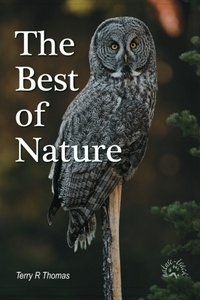
That is embarrassing, but actually a fairly typical response to my nature essays. Since The Best of Nature is created from the very best of 16 years of these nature essays published weekly in the Idaho Falls Post Register (online readership 70,000), it is a fine read. It covers a wide variety of topics including humorous glimpses of nature, philosophy, natural history, and conservation. Readers praise the style, breadth of subject matter and my ability to communicate complex and emotional topics in a relaxed and understandable manner.
Everyone can find something to love in this book. From teenagers to octogenarians, from the coffee shop to the school room, these nature essays are widely read and enjoyed.
Some of the essays here are my personal favorites, others seemed to strike a chord with readers. Most have an important message or lesson that will resonate with you. They are written with a goal to simultaneously entertain and educate about the wonderful workings of nature. Some will make you laugh out loud and others will bring a tear to the eye and warm your heart.
Readers Write:
"You hit a home run with your article on, Big Questions in Nature. It should be required reading for everyone who has lost touch with nature...great job!" Joe Chapman
"We enjoyed your column, Bloom Where Planted. Some of the best writing yet. The Post Register is fortunate to have your weekly columns." Lou Griffin.
To read more and to order a copy, click here or get the Kindle version
Copies are also available at:
Post Register
Island Park Builders Supply (upstairs)
Barnes and Noble in Idaho Falls
Harriman State Park, Island Park
Museum of Idaho
Valley Books, Jackson Wyoming
Avocet Corner Bookstore, Bear River National Wildlife Refuge, Brigham City, Utah
Craters of the Moon National Monument Bookstore, Arco, Idaho